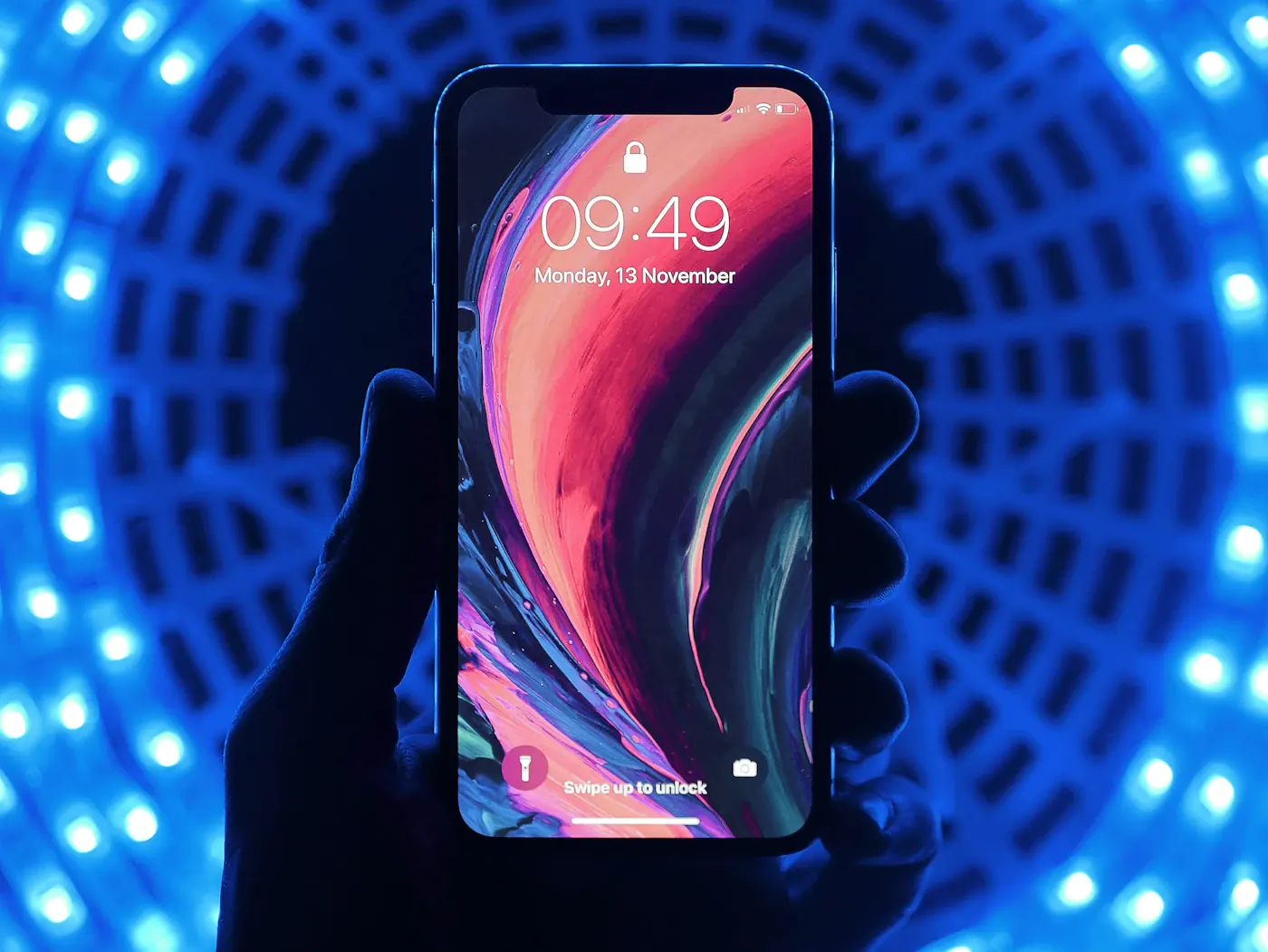
Smartwatch vs. Fitness Tracker: Choose the Wearable You Will Actually Use
Compare simple activity tracking and broader smartwatch features without confusing convenience with medical certainty.
Research-led guidance based on published information and practical selection criteria. We have not performed hands-on testing of the products discussed.
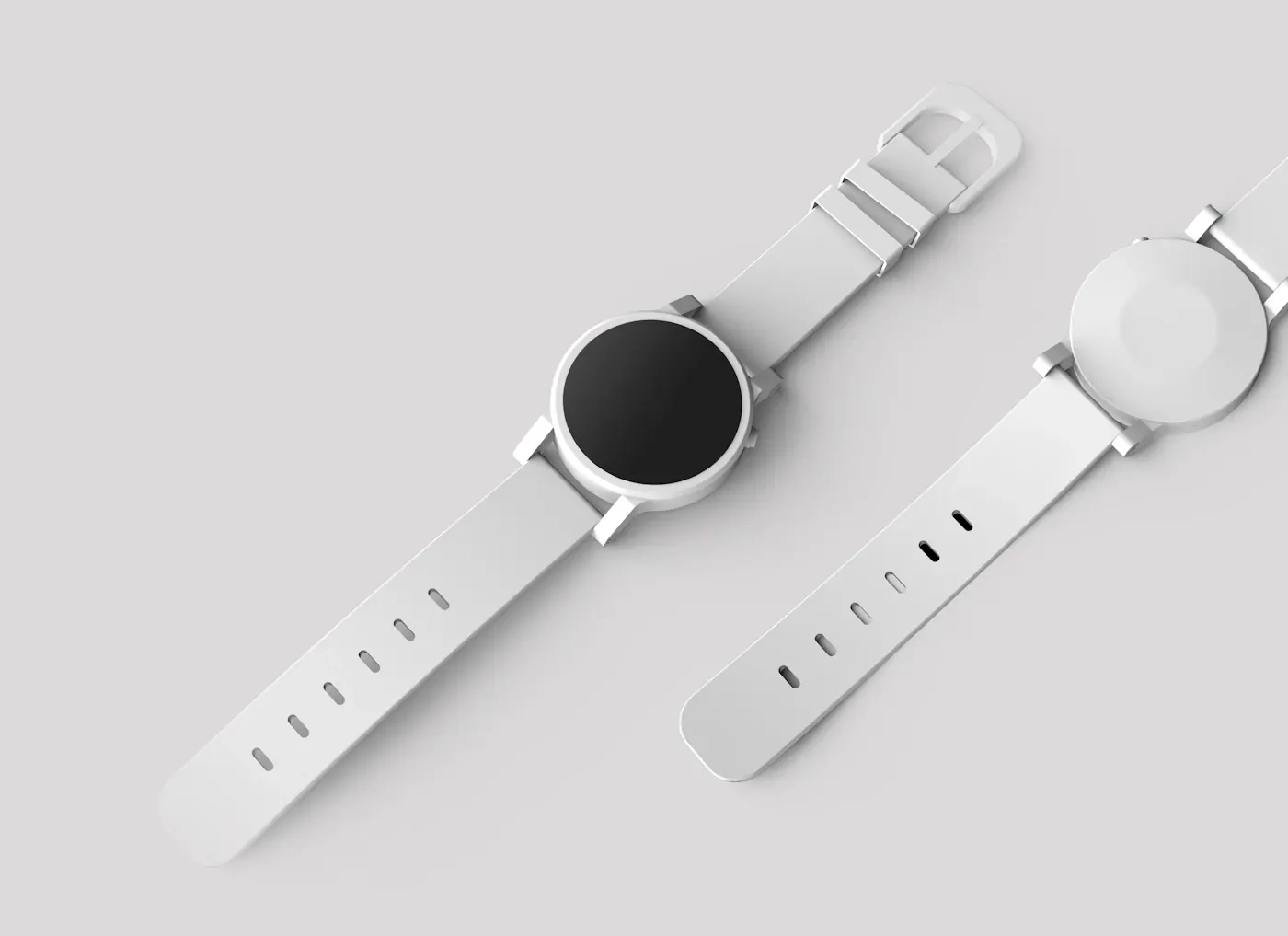
A wearable can remind you to move, record workouts, and put notifications on your wrist. It can also become another screen to charge and silence. Choosing between a smartwatch and a fitness tracker starts with what you want to do differently each day, not which category has the longest feature list.
Our recommendation is a straightforward fitness tracker when activity awareness and a manageable routine are the main goals. Consider a smartwatch when specific communication, app, navigation, or accessibility features justify the added complexity. Neither category should be treated as a substitute for medical care or as a promise of accurate measurement in every situation.
Name the habit before choosing the device
Imagine an office worker who wants a prompt to stand up and a record of evening walks. That person may not need messaging, onboard apps, or a large display. Now consider someone who frequently misses calls while carrying groceries and wants a supported way to handle them. Their needs point toward different features despite both wanting a wearable.
Write down two or three tasks you will use weekly. Then verify those tasks on the exact device and with your phone. Category labels overlap: some trackers offer notifications and some watches emphasize fitness. Buy the functions you need rather than assuming the label defines everything inside.
| Main goal | Sensible starting point | What to verify |
|---|---|---|
| Daily movement reminders and basic workout records | Fitness tracker | Comfort, supported activities, and app behavior |
| Calls, messages, and useful wrist apps | Smartwatch | Phone compatibility and feature restrictions |
| Recording routes without carrying a phone | Device with documented standalone capability | Positioning support and offline behavior |
| Fewer digital interruptions | Simple tracker or no wearable | Notification controls and achievable routine |
The phone ecosystem can decide the purchase
Check operating-system requirements and feature availability before considering appearance. A wearable that pairs with a phone may not provide every advertised function on that platform. Setup, calling, responses, account integration, and health-data sharing can have different requirements. Read manufacturer compatibility information rather than assuming Bluetooth connection means complete support.
Consider the companion application too. Does it show useful trends in a way you understand? Can you export information or disconnect services? Review account requirements, privacy controls, and any subscription-dependent features. A headline feature is less attractive if the ongoing terms do not fit your expectations.
Notifications need deliberate setup. Sending every phone alert to the wrist can increase distraction rather than reduce it. Start with only important calls or selected apps. A smartwatch is most useful when it changes how you handle information, not merely when it duplicates every interruption closer to your attention.
Comfort and charging determine consistency
A device cannot record a routine when it spends most of its time in a drawer. Consider size, strap feel, skin comfort, and whether you can wear it during the activities you intend to track. Follow cleaning and wearing guidance, particularly after sweat or moisture. Stop and investigate if irritation develops.
Battery estimates depend on settings and use. Route recording, always-on displays, calls, and other functions can alter endurance. Choose a charging schedule that works around your life. If overnight trends matter to you, identify another convenient charging window rather than buying on an endurance figure alone.
Check the charger arrangement before traveling. A proprietary cable may require another item in the bag, and replacement availability matters if you lose it. Our travel charging guide explains how to count the complete setup rather than the wearable itself.
Treat measurements as information with limits
Consumer wellness features can help reveal patterns, but readings vary with device design, fit, movement, and the conditions of use. A step total is not a moral score, and a change in an estimated metric is not automatically a diagnosis. Understand the manufacturer’s stated intended use and limitations for each feature.
If you have symptoms or a medical concern, seek appropriate professional advice instead of relying on a wrist reading for reassurance. Some functions have specific regulatory status or regional restrictions, while others are general wellness features. Do not transfer one feature’s authorization or purpose to every number the device displays.
Water resistance also needs precise guidance. A rating or swimming feature does not make every exposure safe, and resistance can change with wear. Check allowed activities, cleaning, and charging precautions for the particular product rather than treating an outdoor photograph as proof of durability.
Who should skip the upgrade?
Skip a new wearable if the phone already supports your desired routine and you dislike wearing accessories. Keep a functioning tracker when it provides the information you use. A smartwatch is a poor value when its only extra contribution is notifications you immediately disable.
Frequently asked questions
Will a smartwatch improve fitness automatically?
No. It can support reminders and records, but behavior, suitable goals, and consistency matter. The purchase itself does not guarantee a health outcome.
Are trackers always simpler?
Not necessarily. Compare setup, subscription requirements, and the companion app. A modest feature list can still involve an inconvenient workflow.
Should I pay for more health sensors?
Only when you understand the specific feature, its limitations, and how you will use the information. Additional measurements do not replace professional assessment or make every reading clinically meaningful.
Sources & further reading
Consult these official resources for technical details and compatibility. Product availability, specifications, and terms can change; verify the exact model before buying.
Spotted an error? Send a correction to Smartvora.