Earbuds vs. Over-Ear Headphones: Which Fits Your Everyday Routine?
Compare pocketable earbuds and full-size headphones for work, commuting, and home listening.
Research-led guidance based on published information and practical selection criteria. We have not performed hands-on testing of the products discussed.
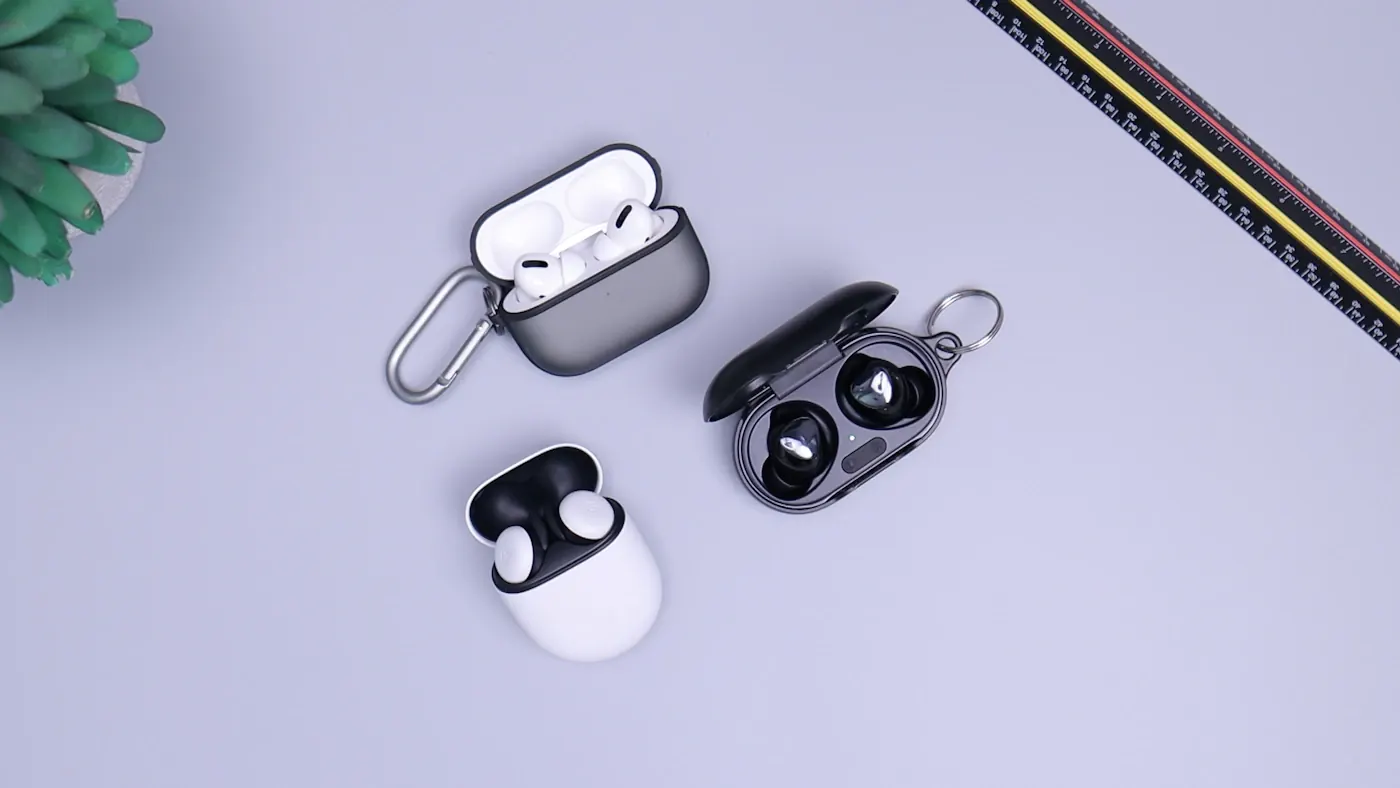
Earbuds disappear into a pocket. Over-ear headphones offer a larger physical design that some people find more comfortable for long sessions. Neither format wins automatically on sound, noise reduction, or call quality. The better choice is the one that fits your body and stays practical throughout your day.
Choose earbuds when compact carrying and quick transitions dominate. Choose over-ear headphones when longer listening sessions and avoiding objects inside the ear matter more. If either format causes discomfort, change the fit or stop using it rather than forcing yourself to adapt to an expensive purchase.
Follow a normal day from start to finish
Imagine leaving home, boarding a train, joining a work call, and packing up again. Earbuds make the packing stages easier, especially with a small charging case. Over-ear headphones require more bag space but may provide easy-to-find physical controls and a fit that is less dependent on individual ear canals.
Now consider a quiet afternoon at a desk. Pocket size matters less than pressure, heat, and whether the headphones interfere with glasses. A smaller product is not always more comfortable, and a bigger product is not always tiring. Fit is personal, so a sensible return policy is part of the buying decision.
| Main use | Starting choice | Question to settle first |
|---|---|---|
| Light travel with a small bag | Earbuds | Do they stay comfortable and secure? |
| Long desk sessions | Either, with fit prioritized | Heat, pressure, and call controls |
| Avoiding in-ear contact | Over-ear headphones | Do cups and pads suit you? |
| Exercise | Suitable sport-oriented design | Explicit resistance and secure fit |
Comfort has several moving parts
Earbuds with tips need a good seal without excessive pressure. Manufacturers may provide different sizes, and your ears may not need identical tips. Follow fitting guidance rather than pushing a tip deeper to recover bass. Open-fit designs avoid some sealing concerns but can allow more outside sound into the listening experience.
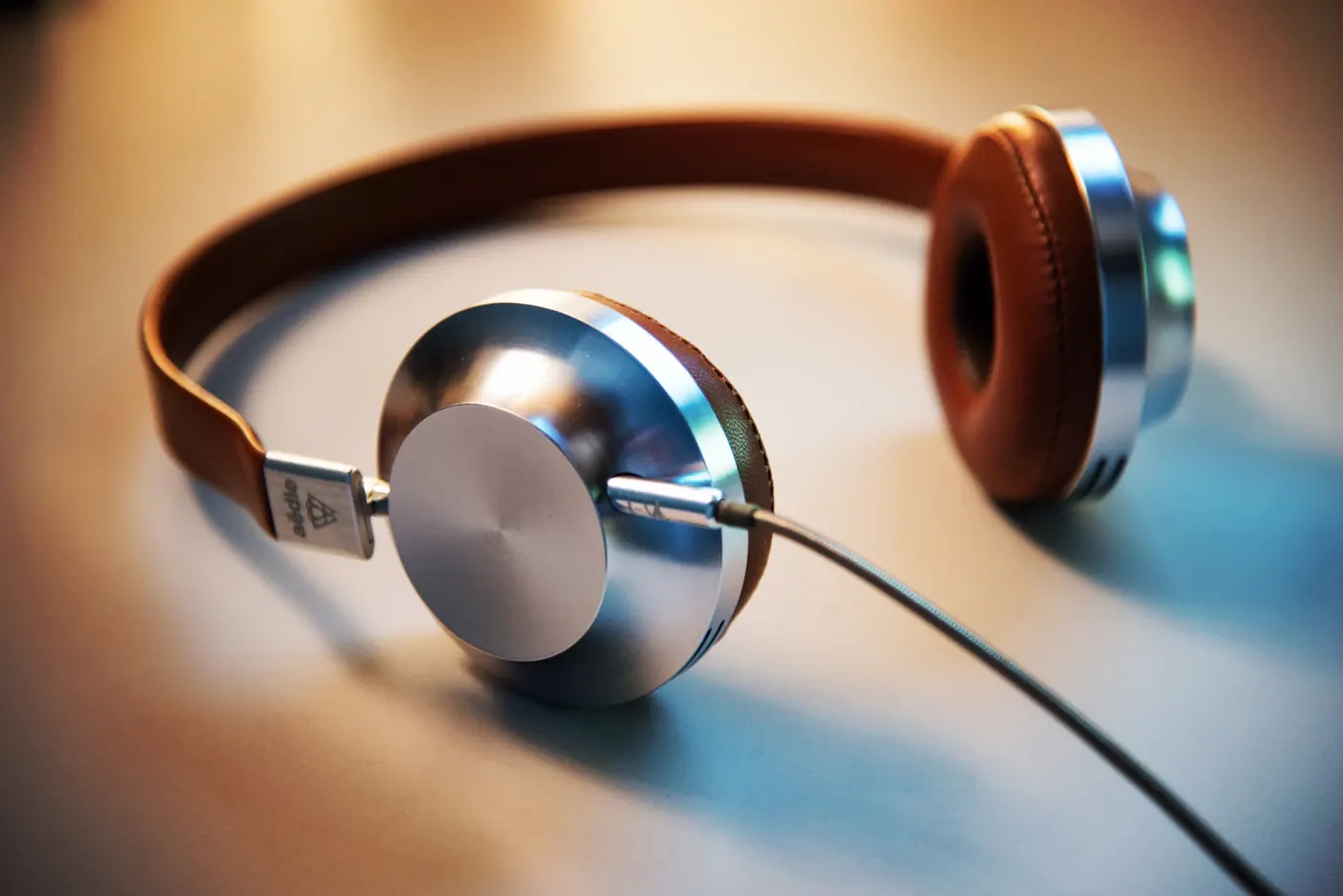
Over-ear headphones distribute weight through a headband and pads. Clamping, cup depth, cushion material, and the way glasses pass under the pads can all affect comfort. Replaceable pads are useful only if replacements remain available. Inspect support information rather than counting on an unnamed accessory seller years later.
Cleaning matters with both formats. Follow the manufacturer instructions and keep moisture away from components not designed for it. Shared earbuds present different hygiene issues from a shared headset. If family members will use the same device, factor in cleaning and fitting rather than assuming one arrangement suits everyone.
Battery and connection habits differ
Wireless earbuds usually divide power between the buds and a charging case. A total endurance figure may include several recharges from that case, rather than one uninterrupted session. Read the individual listening estimate and relevant conditions. Check how calls, noise cancellation, and other features affect the stated figures.
Wireless over-ear models carry their battery in the headphones and may offer a cable connection, but passive operation differs by model. Some features need power even when a cable is attached. If a long trip depends on wired backup, verify the behavior and pack the required cable and any device adapter.
Also investigate switching between your phone and computer. Multipoint support, pairing controls, and operating-system compatibility can shape the working day more than a codec logo. A headset that connects easily is useful; one that repeatedly sends meeting audio to the wrong device is frustrating regardless of its format.
Compare noise control and calls separately
A secure physical seal can reduce outside noise, while active cancellation addresses certain sound patterns. Either format may offer these features, and the feature name alone does not prove performance. Call microphones have their own task: capturing your speech in a particular environment. Quiet listening and clear outgoing speech should be separate checklist items.
Use comfortable volume and take listening breaks. WHO safe-listening guidance applies regardless of how large or small the headphones are. Earbuds are not inherently safe because they are portable, and over-ear headphones are not automatically unsafe because they feel immersive. Sound exposure and habits matter.
Who should skip a format change?
Keep a comfortable, reliable pair if it handles your routine. Replacing earbuds with headphones solely because larger drivers sound impressive in marketing may produce little practical benefit. People who already dislike sealed ear canals should not buy another similar design without a clear fitting solution.
For a commute dominated by engine noise, read our noise-cancellation buying guide before paying for additional processing. For meetings, start by checking microphone placement and room acoustics rather than assuming any new listening device improves speech.
Frequently asked questions
Are over-ear headphones always better sounding?
No. Tuning, fit, design, and individual preference all matter. The format does not establish a universal quality ranking.
Can earbuds handle long meetings?
They can if comfort, microphone behavior, battery life, and connection reliability suit the session. Check those separately and leave time for breaks.
Should I own both?
Only if they solve different real needs. A compact commuting pair and a comfortable desk pair can make sense, but duplicating functions is unnecessary when one already works well.
Sources & further reading
Consult these official resources for technical details and compatibility. Product availability, specifications, and terms can change; verify the exact model before buying.
Spotted an error? Send a correction to Smartvora.