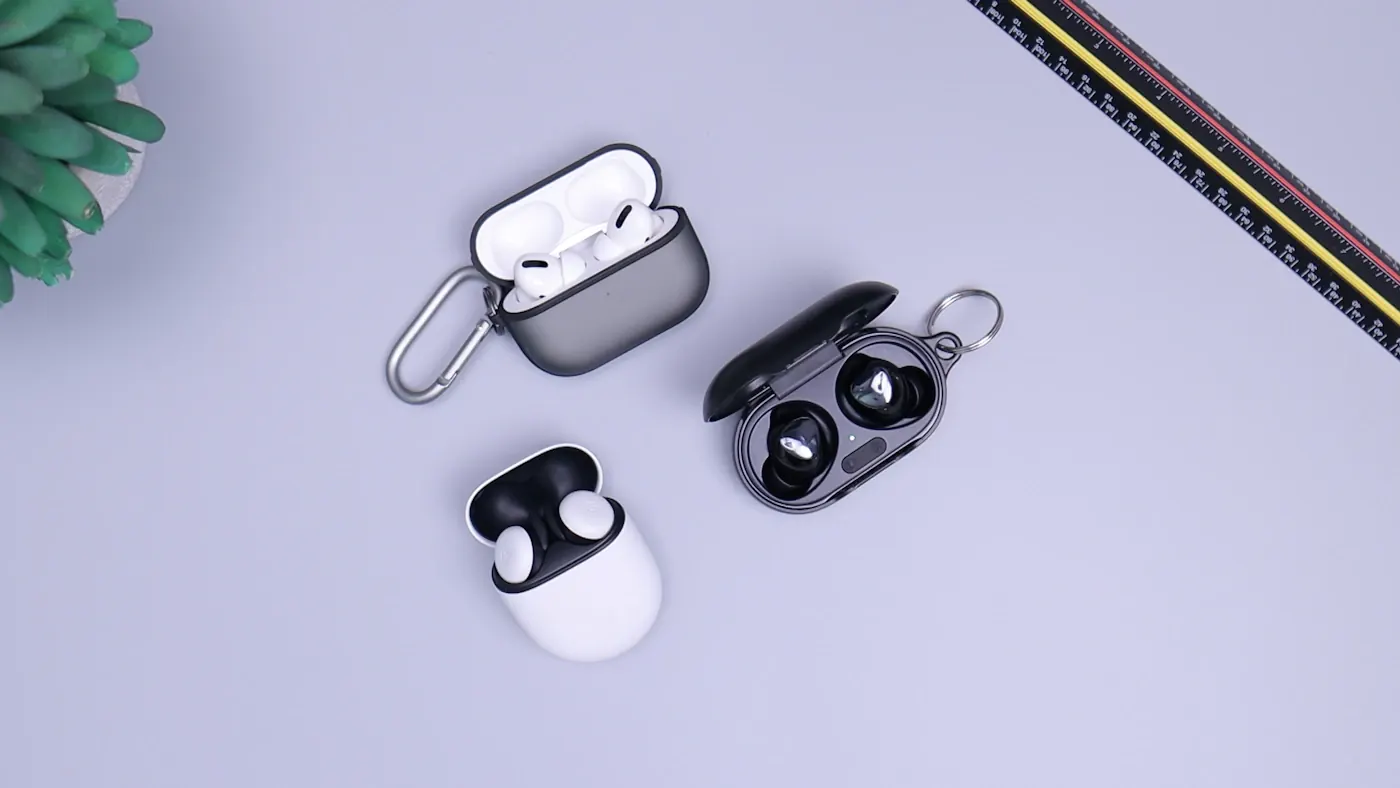
Noise-Cancelling Headphones for Commuting: What Matters Beyond Quiet
Choose commuting headphones around comfort, awareness, call quality, and your daily route.
Research-led guidance based on published information and practical selection criteria. We have not performed hands-on testing of the products discussed.
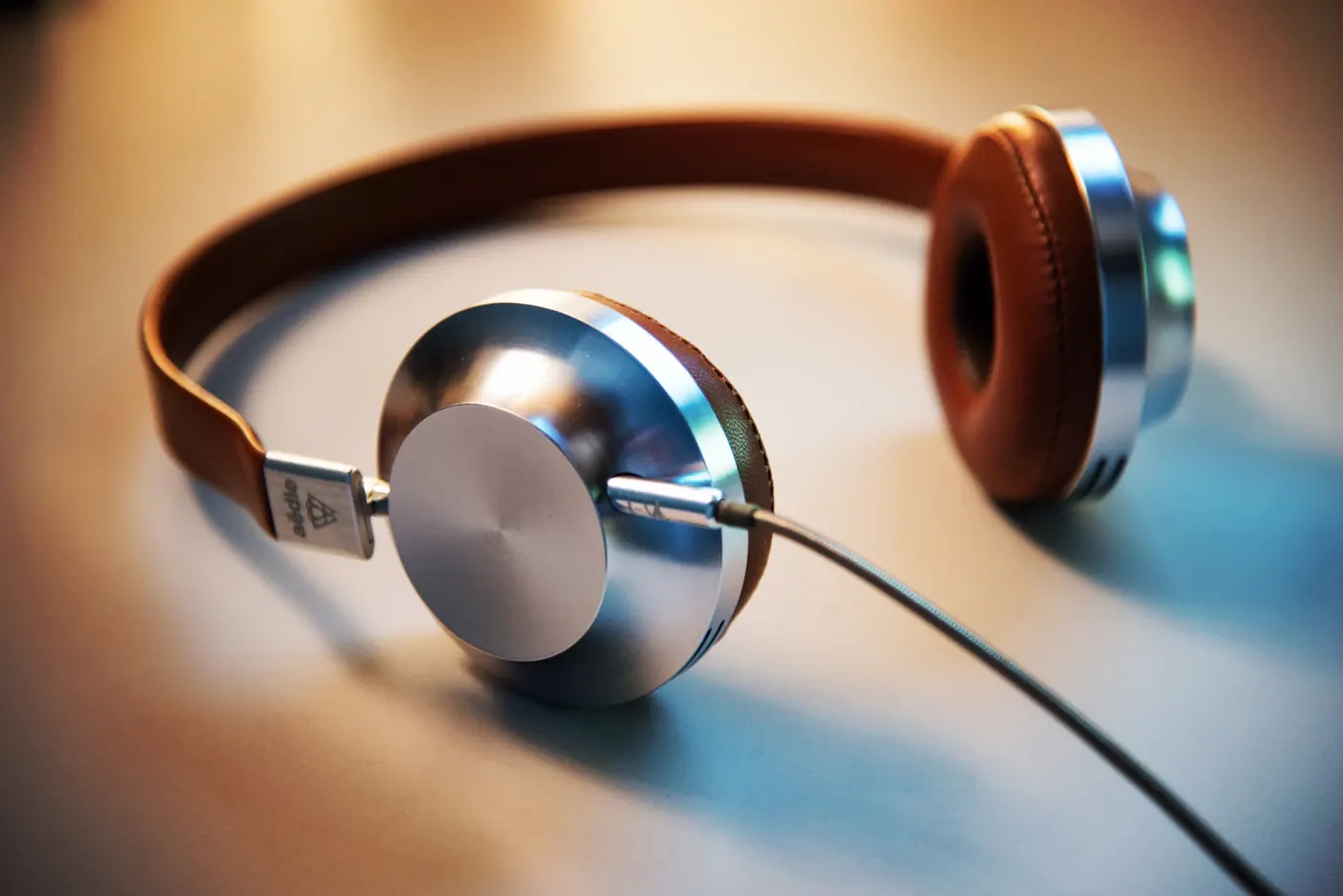
Noise-cancelling headphones can make a train journey less tiring, but they do not create silence in every environment. A useful pair must also fit comfortably, survive your daily routine, and let you manage awareness around traffic and announcements. Buy for the commute you have, not the quietest imaginary room.
Our recommendation is to prioritize comfortable fit and useful noise control, then check battery life, call behavior, and the practical way you switch listening modes. If your route includes busy streets or cycling, awareness takes priority over immersion. Headphones are not a substitute for following local safety rules.
Understand what noise cancellation can do
Active noise cancellation uses microphones and processing to reduce some incoming sound. It is often most useful against relatively steady background noise, such as an engine or ventilation system. Sudden voices, sharp impacts, and changing street noise can remain audible. The physical seal around or inside the ear also contributes to isolation.
This distinction matters in a real carriage. A pair can reduce the low background rumble while a nearby conversation still reaches you. Do not interpret that as proof the feature is broken, and do not assume a product photograph establishes its effectiveness. Our advice is based on general operating principles, not unpublished measurements of particular models.
| Daily route | Feature to prioritize | Tradeoff to consider |
|---|---|---|
| Long train ride | Comfort and steady-noise reduction | Over-ear bulk in the bag |
| Short bus trips with transfers | Easy mode switching and compact storage | Frequent interruptions reduce immersion |
| Walking beside traffic | Situational awareness | Maximum isolation may be inappropriate |
| Calls on the way to work | Microphone behavior and device compatibility | Listening ANC does not guarantee clear outgoing speech |
Fit affects more than comfort
Glasses, earrings, hair, and the shape of your head can change the seal of over-ear headphones. Earbuds depend on tip fit and may require experimenting with included sizes. A poor seal can reduce isolation and bass response while encouraging higher listening volume. Check return conditions so fit can be assessed without treating an uncomfortable purchase as permanent.
For over-ear models, consider clamping pressure and heat over the actual journey length. For earbuds, consider whether they stay secure without discomfort when you walk. Replaceable pads or tips can extend useful life; verify availability rather than assuming a premium price includes long-term support.
Foldability helps packing, but moving joints can introduce another durability concern. A suitable case, replaceable cushions, and straightforward cleaning guidance can matter more than decorative finishes. Rain resistance also needs an explicit manufacturer rating and conditions. Do not assume headphones intended for commuting can tolerate any weather.
Calls and awareness are separate features
A microphone used to measure surrounding noise is not automatically the same thing as a microphone system that sends clear speech to callers. Look for documented call controls and compatibility with your devices. Wind and surrounding conversation can challenge outgoing audio even when your own listening experience feels quiet.
Transparency or ambient modes can help you hear the surroundings, but their presence does not establish that every sound arrives naturally or reliably. Learn the controls before walking into a busy environment. Remove or pause the headphones when attention is required, and avoid making a purchase decision depend on an unverified safety promise.
Battery specifications also require context. Features such as noise cancellation, calls, and connection behavior can affect endurance. Choose a practical charging routine and check whether the headphones support usable listening when the battery is empty. A cable socket alone does not guarantee every feature works without power.
Do not turn quiet into louder listening
Reduced background noise may make it easier to listen at a comfortable level. It does not protect hearing if you choose excessive volume or listen for long periods. WHO guidance emphasizes sound exposure and listening habits. Take breaks and use supported volume or exposure tools where available, understanding that device estimates have limitations.
If cost is constrained, prioritize fit and dependable everyday controls over app effects you may never use. Our earbuds versus over-ear comparison explains when compactness is worth the compromises of a smaller design.
Who should skip the upgrade?
Skip premium noise cancellation if your main listening environment is already quiet and your existing headphones fit well. People who dislike enclosed ears may prefer another format. Someone seeking certified hearing protection for occupational noise needs equipment designed for that purpose, not ordinary consumer headphones.
Frequently asked questions
Will noise cancellation block conversations completely?
Usually not. Voices change rapidly, and both active processing and physical isolation have limits. Set expectations around reducing distraction rather than eliminating every sound.
Is noise cancellation the same as hearing protection?
No. Do not treat consumer listening headphones as a replacement for appropriate protective equipment in hazardous environments.
Should I prioritize a long feature list?
Only after comfort, fit, controls, and the charging routine work for your commute. An impressive list cannot compensate for headphones you regularly remove because they hurt or are difficult to manage.
Sources & further reading
Consult these official resources for technical details and compatibility. Product availability, specifications, and terms can change; verify the exact model before buying.
Spotted an error? Send a correction to Smartvora.