Open-Ear vs. In-Ear Headphones: Comfort, Awareness, and Real Tradeoffs
Compare open-ear and sealed earbuds for walking, desk work, and listening around other people.
Research-led guidance based on published information and practical selection criteria. We have not performed hands-on testing of the products discussed.
Some listeners want to hear a podcast while keeping nearby conversation audible. Others want the train’s background noise reduced enough to listen comfortably. Open-ear headphones and sealed in-ear earbuds approach those situations differently. Choosing one is a decision about the environment and fit, not a simple ranking of sound quality.
Our recommendation is an open-ear design when avoiding a sealed ear canal and retaining some access to surrounding sound are central needs. Choose suitable sealed earbuds when isolation and compact listening are more useful. Neither design guarantees safe awareness around roads, machinery, or other hazards, and attention still matters.
Clarify what “open-ear” means
The label covers several approaches. Some designs place small speakers outside the ear canal; others use different methods of transmitting sound. Their fit, sound leakage, and listening behavior can vary. Read the actual product documentation rather than treating every device with an open-ear label as equivalent.
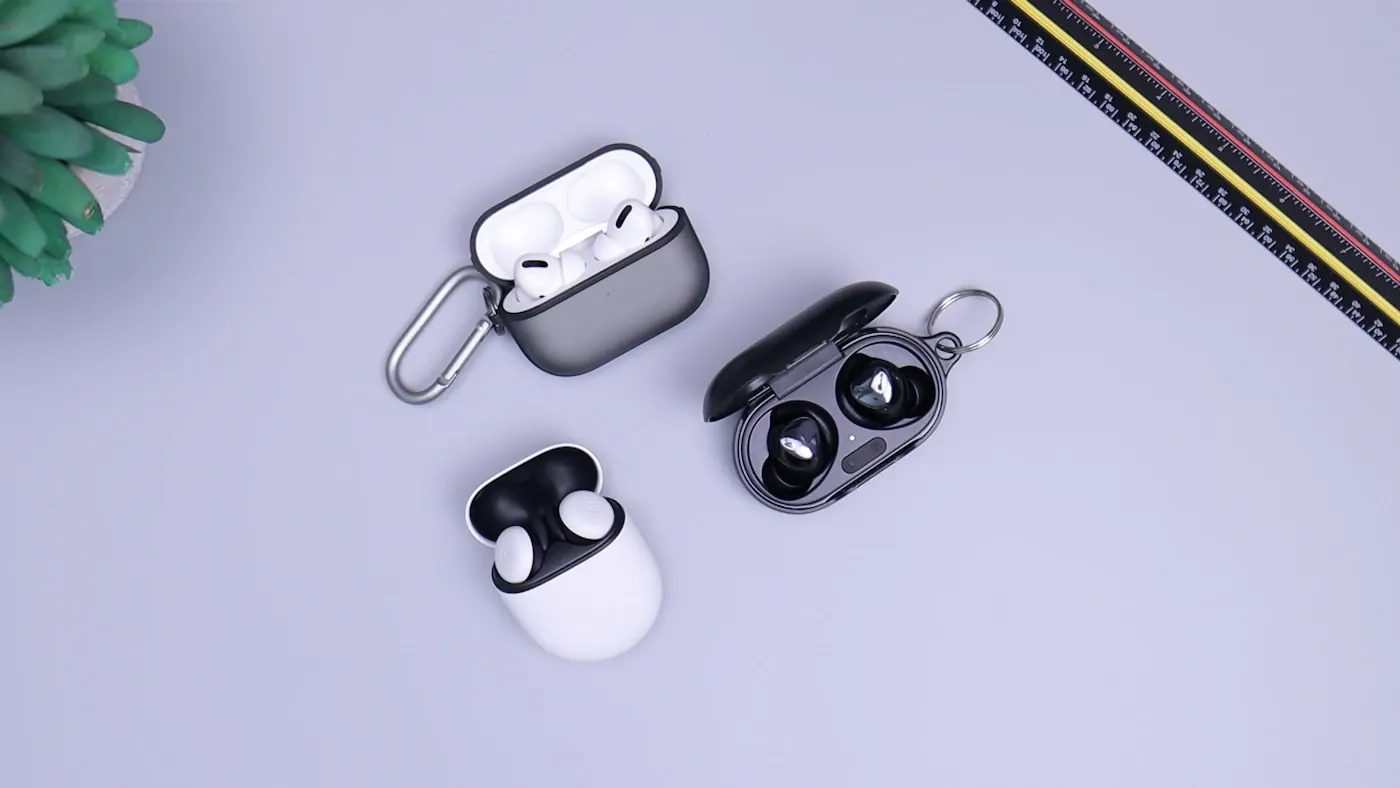
Sealed in-ear earbuds generally use tips to create a fit inside the ear opening. That physical seal can reduce incoming sound and influence tonal balance. Earbuds that sit without a seal are another possibility, so compare the real design instead of assuming every small wireless earphone isolates equally.
| Everyday situation | Starting choice | Important limitation |
|---|---|---|
| Quiet desk where conversation matters | Open-ear design | Nearby people may hear some audio |
| Noisy train or bus | Suitable sealed earbuds | Fit and listening level still matter |
| Discomfort from sealed tips | Open-ear alternative | Hooks or other contact points can also irritate |
| Listening in a shared quiet room | Carefully assessed design | Check leakage rather than assuming privacy |
Awareness is useful but not guaranteed
An open fit can leave surrounding sound less obstructed than a sealed one. However, audio playback can still compete for attention and make sounds harder to notice. Volume, the recording itself, environmental noise, and individual hearing all change the situation. Do not regard an open ear canal as permission to ignore local safety requirements.
For walking, stop playback when an interaction or crossing needs your full attention. Cycling and similar activities require their own legal and practical considerations. Consumer headphone marketing should not be treated as a certification of safe use in every activity. In hazardous work, use appropriate protective arrangements rather than substituting leisure headphones.
Sealed earbuds may offer a transparency or ambient mode. That can be convenient, but microphone processing and device settings affect the experience. It does not make the design identical to wearing nothing. Learn the controls in a safe setting and remove the earbuds when necessary instead of relying on a mode name.
Noisy surroundings change the purchase logic
Without useful isolation, you may find yourself turning audio up to compete with a bus engine or crowded room. That response can increase sound exposure without solving the environment. WHO guidance emphasizes safe listening habits and exposure rather than assuming one physical format protects hearing automatically.
For a noisy commute, a well-fitting sealed design with appropriate noise control may be more practical. Our commuting headphone guide explains the difference between reducing steady background sound and eliminating all interruptions. Quiet environments may allow an open design to remain intelligible at a more comfortable level.
Do not assume bass or speech clarity from a diagram. Fit and distance from the ear can influence open-ear playback, while seal quality affects in-ear performance. Published features are useful for narrowing options, but a suitable return policy helps address personal fit without pretending one arrangement works for everyone.
Check the contact points and daily routine
Open-ear headphones may rely on hooks, bands, or clips. These can interact with glasses, hats, earrings, or hairstyle choices. In-ear buds depend on tip dimensions and the shape of your ears. Assess comfort over a realistic period, and follow manufacturer fitting guidance instead of compensating for poor fit with excessive pressure.
Cleaning and resistance specifications matter if you exercise or spend time outdoors. A water-resistance statement needs its precise conditions; it is not blanket protection from every exposure. Charging connectors and cases may have different restrictions from the headphones themselves. Keep to the documented care routine.
Calls require a separate compatibility and microphone check. A design that leaves the ears open does not automatically capture your voice well in wind or conversation. Also compare controls, device switching, and charging behavior. The best fit becomes less useful if you cannot reliably answer a call or find the correct mute control.
Who should skip a format change?
Skip open-ear headphones if your main problem is overpowering background noise or if private listening in a very quiet shared room is essential. Skip sealed earbuds if they repeatedly cause discomfort despite appropriate fitting. Keep your existing headphones when they already meet your routine rather than buying a new category out of curiosity alone.
Frequently asked questions
Are open-ear headphones safer?
They can leave more surrounding sound accessible, but they do not guarantee awareness or safe activity. Attention, volume, setting, and applicable rules remain important.
Will others hear what I play?
They might, depending on design, volume, distance, and room conditions. Check leakage in the intended environment instead of assuming the audio is private.
Can transparency mode replace an open design?
It may meet your needs, but behavior differs. Compare actual comfort and the way the mode handles surrounding sound, and remove the device whenever attention requires it.
Sources & further reading
Consult these official resources for technical details and compatibility. Product availability, specifications, and terms can change; verify the exact model before buying.
Spotted an error? Send a correction to Smartvora.