Smart Thermostat Buying Checklist: Start with Your Heating System
Check HVAC compatibility, wiring, schedules, and household controls before replacing a working thermostat.
Research-led guidance based on published information and practical selection criteria. We have not performed hands-on testing of the products discussed.
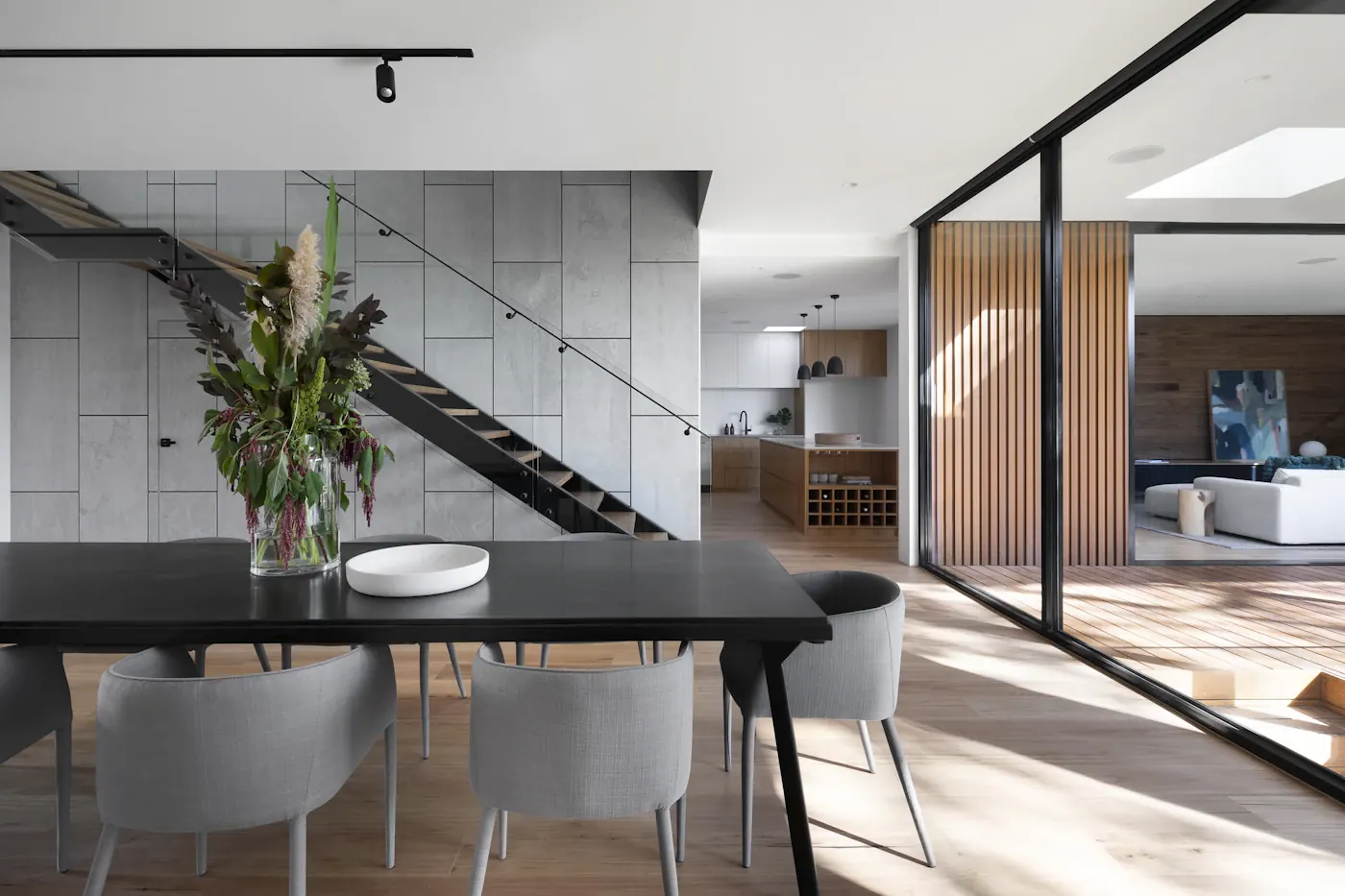
A couple works different shifts, so the heating schedule that suited their old routine now warms an empty home at the wrong times. A smart thermostat might make scheduling easier, but the useful purchase is one that fits their heating equipment and their habits. A beautiful app cannot compensate for incompatible wiring or a schedule nobody understands.
Start by identifying the existing system, then decide which inconvenience you want to remove. Remote adjustment, room sensors, and flexible schedules are different features. If an ordinary programmable thermostat already meets your needs, connectivity alone is not a reason to replace it.
Identify the system before the product
Record the heating and cooling equipment models where accessible, and consult their manuals. Systems can differ in voltage, staging, heat-pump arrangements, auxiliary heat, and communication methods. A compatibility claim for one configuration does not automatically cover another configuration from the same brand.
Use the thermostat manufacturer’s official compatibility checker and follow its instructions. Photograph existing connections only when you can do so safely and without disturbing wiring. Wire colors are not a reliable substitute for terminal labels and system documentation. If identification is uncertain, arrange qualified help before ordering equipment.
Match features to the household
| Household situation | Feature to investigate | Limitation to consider |
|---|---|---|
| Changing work shifts | Easy editable schedules | Automatic learning may not suit irregular routines |
| Frequently empty home | Remote adjustment | Internet and account dependencies remain |
| Cold bedroom, warm hallway | Supported room sensor | One sensor cannot fix every distribution problem |
| Shared home | Clear physical controls | App-only convenience can frustrate others |
A room sensor can influence a supported thermostat’s control decisions, but it cannot give a single-zone system independent heating in every room. If one bedroom is consistently uncomfortable, insulation, airflow, radiator balance, or another underlying issue may need attention.
Wiring and power deserve a separate check
Find out whether the exact model requires a common wire, an approved power adapter, or another supported supply arrangement. Do not assume that a battery-powered old thermostat means any new thermostat will operate on the same wiring. Some adapters require work at the heating equipment rather than simply behind the wall plate.
Consider the wall opening and mounting plate too. A smaller replacement can expose unfinished paint or old screw holes. Check dimensions before purchase and use a documented trim accessory if appropriate. This is a minor detail compared with electrical compatibility, but it affects the finished installation.
Do not bypass safety controls or improvise wiring to make a device connect. Follow local electrical rules and equipment instructions. A qualified installer can be a sensible part of the budget, especially where system configuration is unclear or advanced equipment is involved.
Buy for schedules you will actually maintain
Map a typical week and identify the periods when comfortable temperatures are needed. Keep exceptions manageable: holidays, overnight guests, and unexpected work-from-home days should not require rebuilding the entire program. A simple manual override is valuable when plans change.
Geofencing and occupancy features introduce household-account and phone-location considerations. Check whether multiple occupants are supported and what happens if someone leaves a phone at home. Automatic behavior should complement an understandable schedule rather than become its only explanation.
Review what works when the internet is unavailable. Local temperature control and remote access are separate functions, and exact behavior varies. Verify the model’s documented fallback and keep the physical interface usable for everyone who lives there.
Evaluate costs without guaranteed savings
ENERGY STAR resources provide a useful starting point for understanding connected thermostat categories and certification. They do not establish a guaranteed savings amount for your particular building. Climate, insulation, equipment, settings, and the existing schedule all influence results.
Compare the device, installation, sensor accessories, and any optional recurring services. Prioritize compatibility, clear controls, support information, and a reasonable return policy over decorative display features. Check any utility offer independently, including participation requirements and whether adjustments can be overridden.
When to keep the current thermostat
Skip replacement when the existing schedule is effective, your equipment is not supported, or the real problem is uneven heating that controls alone cannot fix. Renters should obtain the necessary permission before changing fixed equipment. For smaller routines that avoid HVAC wiring, our smart-plug guide covers suitable low-risk uses.
Questions before checkout
Does every smart thermostat need a common wire?
No single rule covers all products and systems. Confirm the exact model’s supported power arrangements with the official compatibility information.
Can it fix a cold room?
A supported remote sensor may change control priorities, but it does not repair insulation or create additional heating zones.
Will remote control save energy automatically?
Not necessarily. The benefit depends on how the system is operated. Avoid buying around an unsupported savings promise.
Sources & further reading
Consult these official resources for technical details and compatibility. Product availability, specifications, and terms can change; verify the exact model before buying.
Spotted an error? Send a correction to Smartvora.